

-
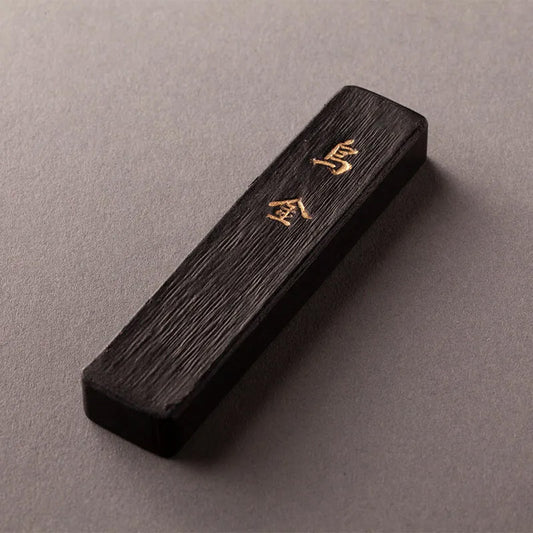
【Nara】KOKI, good for calligraphy & sumie painting
Prezzo di listino ¥5,100Prezzo di listinoPrezzo unitario per -
【NARA】Essence of Soot, THREE VARIETIES set
Prezzo di listino ¥21,000Prezzo di listinoPrezzo unitario per -
【NARA】The Shokunin's Palette: THREE HUES of Nara Sumi ink
Prezzo di listino ¥16,000Prezzo di listinoPrezzo unitario per -
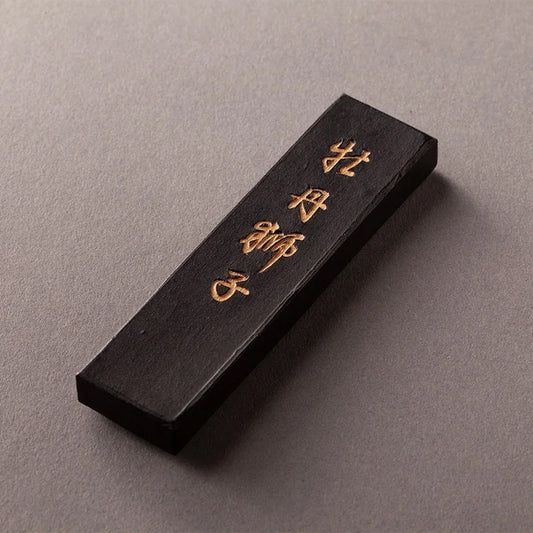
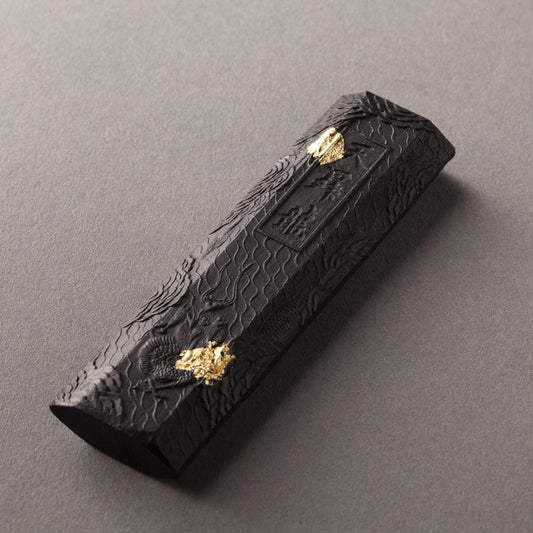
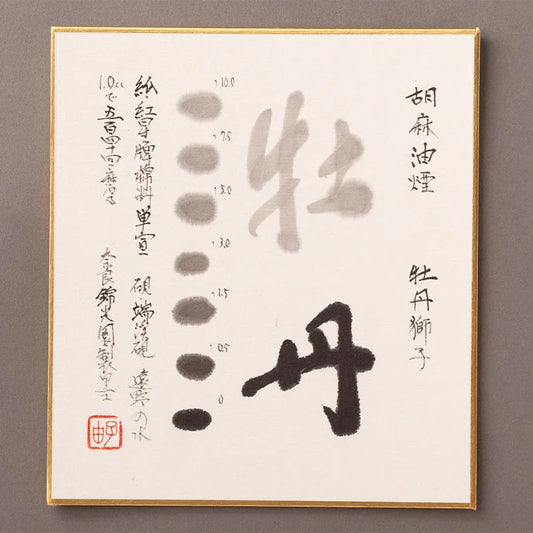
【NARA】BOTANJISHI, a sumi ink stick ideal both for calligraphy and sumie painting
Prezzo di listino ¥7,400Prezzo di listinoPrezzo unitario per -
【NARA】The pine-soot sumi TRILOGY
Prezzo di listino ¥40,000Prezzo di listinoPrezzo unitario per -
【Nara Sumi Ink】Kaori Sumi "ASUKA" (Kaori means scent in Japanese)
Prezzo di listino Da ¥6,500Prezzo di listinoPrezzo unitario per -
【NARA】Set of Three from Shaped Like Japanese Sweets in a paulownia wood box.
Prezzo di listino ¥19,000Prezzo di listinoPrezzo unitario per -
【Nara】OHAJIKI Sumi
Prezzo di listino ¥21,000Prezzo di listinoPrezzo unitario per







what's new
Visualizza tutto-

Kishu Shoen Highlighted in Hidetoshi Nakata’s "...
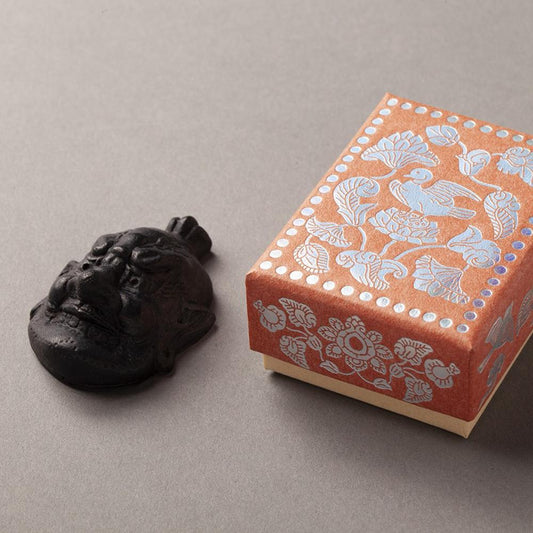
Hidetoshi Nakata's media platform "NIHONMONO," which highlights traditional culture and craftsmanship across Japan, recently featured Kishu Shoen, a sumi ink studio located in Tanabe City, Wakayama Prefecture. Kishu Shoen revived...
Kishu Shoen Highlighted in Hidetoshi Nakata’s "...
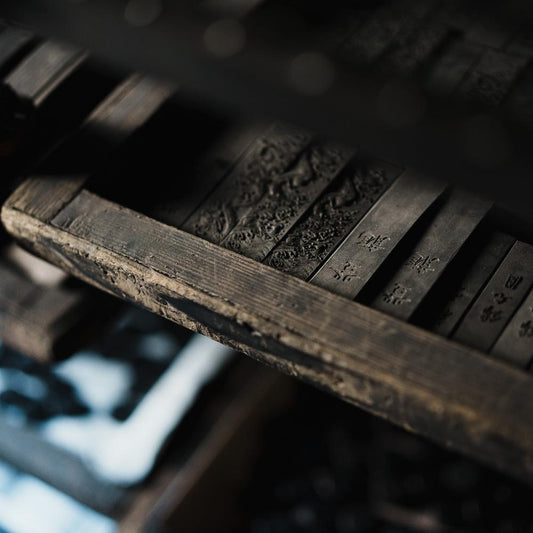
Hidetoshi Nakata's media platform "NIHONMONO," which highlights traditional culture and craftsmanship across Japan, recently featured Kishu Shoen, a sumi ink studio located in Tanabe City, Wakayama Prefecture. Kishu Shoen revived...
-

Experience rimpamura
Every traditional brush, ink stick, sheet of handmade paper, and inkstone carries the quiet work of Japanese Shokunin —craftspeople shaped by years of experience, patience, and quiet dedication. At rimpamura,...
Experience rimpamura
Every traditional brush, ink stick, sheet of handmade paper, and inkstone carries the quiet work of Japanese Shokunin —craftspeople shaped by years of experience, patience, and quiet dedication. At rimpamura,...
-

Discover the Art of Grinding Sumi Ink: A Moment...
Beyond a simple preparation for calligraphy or sumie, grinding sumi ink is a quiet ritual that restores the mind.From the gentle drop of water resting on the stone to the...
Discover the Art of Grinding Sumi Ink: A Moment...
Beyond a simple preparation for calligraphy or sumie, grinding sumi ink is a quiet ritual that restores the mind.From the gentle drop of water resting on the stone to the...
-

Kishu Sumi Recognized with Ichibanboshi Award: ...
On February 10, 2026, the Kishu Sumi (pine soot sumi ink from Kishu) produced by Mr. Horiike was selected as one of the 20 inaugural certified products for the "Wakayama...
Kishu Sumi Recognized with Ichibanboshi Award: ...
On February 10, 2026, the Kishu Sumi (pine soot sumi ink from Kishu) produced by Mr. Horiike was selected as one of the 20 inaugural certified products for the "Wakayama...


