
news

Sumi ink that perfectly aligns with the Year of...
'Tensho-Ryu' (meaning 'Dragon Rising to the Sky') is a pine soot sumi ink resulting from the collaboration between Mr. Masao Horiike, the last remaining shokunin of pine soot in Japan,...
Sumi ink that perfectly aligns with the Year of...
'Tensho-Ryu' (meaning 'Dragon Rising to the Sky') is a pine soot sumi ink resulting from the collaboration between Mr. Masao Horiike, the last remaining shokunin of pine soot in Japan,...
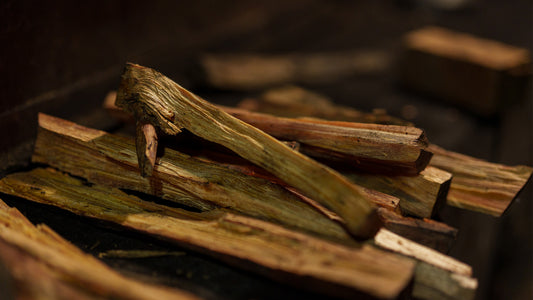
two kinds of pine-soot sumi inks
Sumi ink made from the soot produced by burning pine wood is called Shoen Boku (written as 松煙墨). Dark sumi ink exhibits a subdued matte color, while light sumi ink...
two kinds of pine-soot sumi inks
Sumi ink made from the soot produced by burning pine wood is called Shoen Boku (written as 松煙墨). Dark sumi ink exhibits a subdued matte color, while light sumi ink...
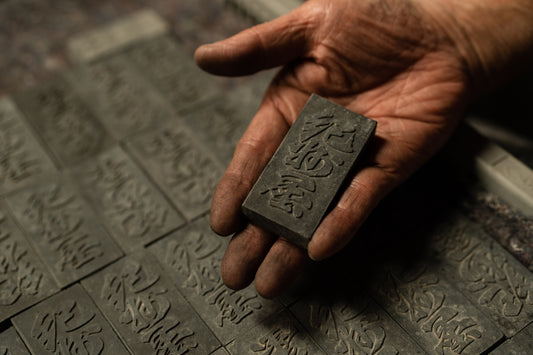
Kishu sumi, pine-soot sumi ink made in Kishu
In the Kishu region, pine soot sumi ink gained renown for its exceptional quality during the Edo period. Its excellence was such that it received support from Shogun Yoshimune of...
Kishu sumi, pine-soot sumi ink made in Kishu
In the Kishu region, pine soot sumi ink gained renown for its exceptional quality during the Edo period. Its excellence was such that it received support from Shogun Yoshimune of...

What makes a good brush?
The quality of brushes for calligraphy and painting is shaped by numerous factors. When evaluating a brush, it is essential to consider the quality of the hair, the overall shape,...
What makes a good brush?
The quality of brushes for calligraphy and painting is shaped by numerous factors. When evaluating a brush, it is essential to consider the quality of the hair, the overall shape,...
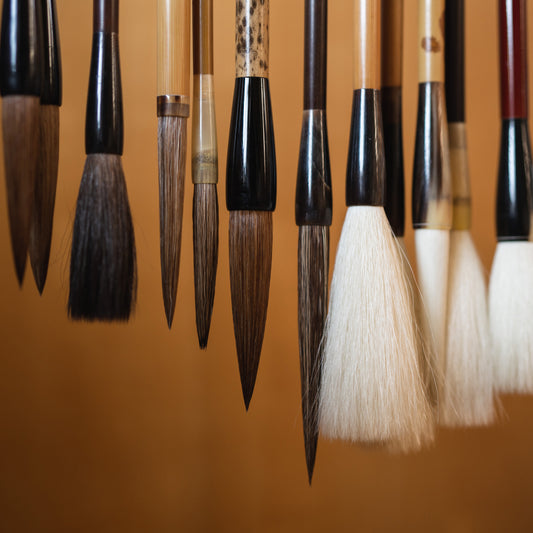
Are there any differences between brushes for J...
Both SHODO calligraphy brushes and SUMIE/ SUIBOKU painting brushes share the common feature of having animal hair bristles attached to a shaft, but there are three significant differences in their...
Are there any differences between brushes for J...
Both SHODO calligraphy brushes and SUMIE/ SUIBOKU painting brushes share the common feature of having animal hair bristles attached to a shaft, but there are three significant differences in their...

How to maintain brushes
We often receive questions about how to care for brushes. To provide the best guidance, we consulted Suzuki-san, a Fude Shokunin (master brush craftsman) with nearly 70 years of experience....
How to maintain brushes
We often receive questions about how to care for brushes. To provide the best guidance, we consulted Suzuki-san, a Fude Shokunin (master brush craftsman) with nearly 70 years of experience....